🇵🇹 Portugal city guide
Lisbon
Seven hills, late dinners and two major football grounds linked by an excellent metro network.
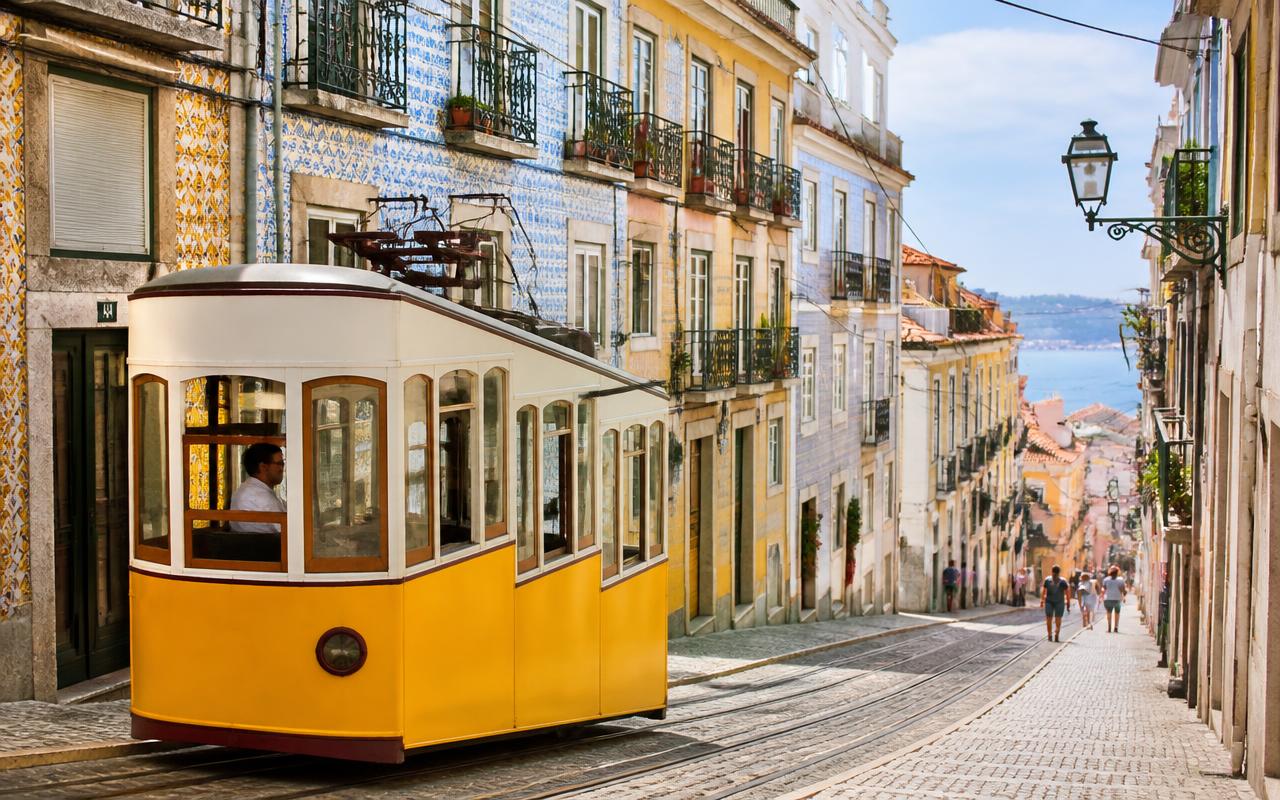
Lisbon’s metro makes it practical to stay centrally and travel to either Estádio da Luz or Estádio José Alvalade. Allow extra time for steep streets and crowded trams. Both grounds appear in Portugal’s 2030 bid planning; the final match schedule will determine which fan journeys matter most.
Stadiums
Estadio da Luz
64,642 seatsBenfica’s modern home in northern Lisbon, opened for Euro 2004. It appears in Portugal’s 2030 venue plans, with final match allocation to be confirmed.
Metro blue line to Colégio Militar/Luz or Alto dos Moinhos. Arrive early as surrounding shopping and interchange areas become congested.
Estadio Jose Alvalade
50,095 seatsSporting CP’s colourful, metro-adjacent home beside Campo Grande. It is part of Lisbon’s wider football infrastructure; final 2030 tournament use is not confirmed.
Metro green or yellow line to Campo Grande. The stadium is beside a major bus and metro interchange.
Matches
Fixtures appear here once the 2030 schedule is drawn.
Travel guides
Lisbon: arriving and getting around
A practical first-day guide to Lisbon: airport transfers, rail arrivals, local tickets and the simplest route into the city.
4 min read
Arriving and getting around
The airport sits on the red metro line. Oriente handles many long-distance trains, while Santa Apolónia serves central and northern routes. Use a rechargeable Navegante card across metro, buses, trams and suburban rail; leave classic tram 28 for off-peak sightseeing.
Where to stay
Curated stays for this city are being added.
Find stays and travel in PortugalThings to do
Belem Tower
landmark
A 16th-century riverside fort and Lisbon icon. The exterior walk is rewarding even when timed interior tickets are sold out.
Alfama
neighbourhood
Lisbon’s oldest hillside district, threaded with steep lanes, viewpoints and small squares. Explore early or late to avoid the busiest tram crowds.